
As a team manager, you have recently completed
As a team manager, you have recently completed training in professional growth and leadership, which you will need to turn around and implement with your team members. You are directly responsible for a team of 10 employees, and you will be creating a growth development plan for
each
member of your current team as well as future professional development plans for your team as a whole.
Strategic Growth Plan for Individual and Team Development
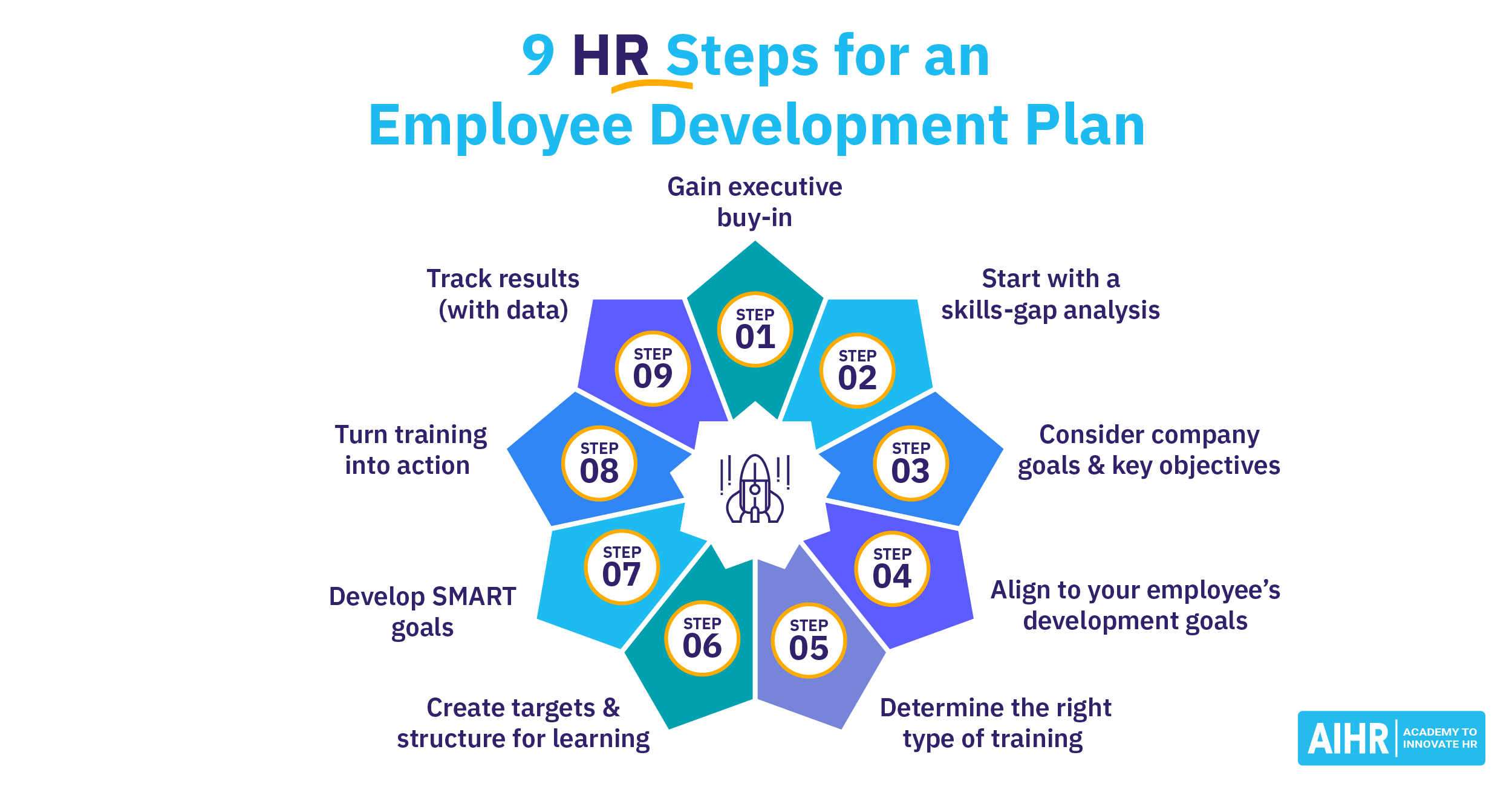
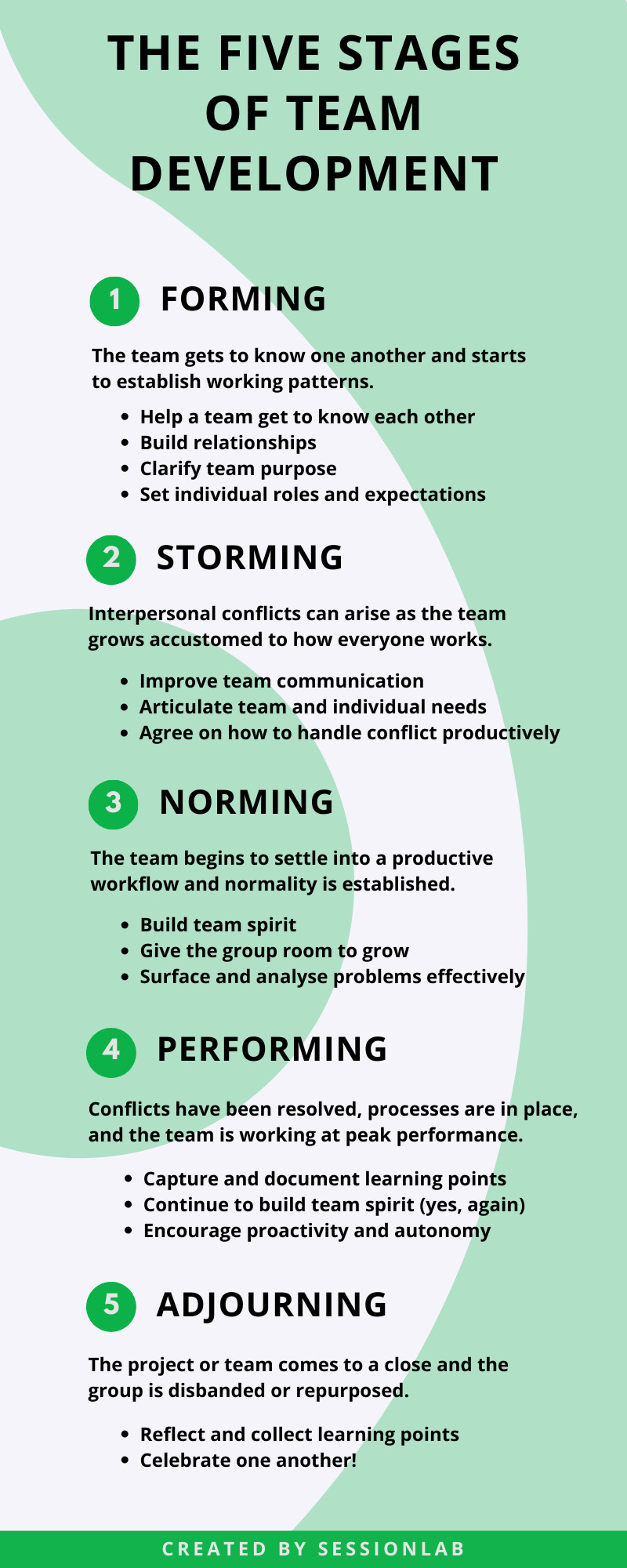
Effective leadership is grounded in the ability to coach, mentor, and develop employees in ways that support their professional aspirations while meeting organizational goals. After completing leadership and professional growth training, the next step is to implement these principles with my team of 10 employees. Creating individualized growth development plans and a comprehensive team development strategy ensures continuous improvement, stronger engagement, and higher performance. This paper outlines an integrated approach for assessing employee needs, establishing personalized plans, supporting teamwide development, and sustaining a culture of learning and accountability.
Developing individual growth plans begins with understanding each employee’s strengths, skill gaps, and aspirations. The process follows a structured approach based on assessment, goal setting, development actions, and evaluation.
1. Initial Assessment
Each employee will participate in:
-
A self-evaluation
-
A skills assessment aligned with departmental competencies
-
A one-on-one career discussion
This information forms the foundation of personalized development pathways (London, 2021).
2. SMART Goal Setting
Together, the manager and employee will establish SMART goals (specific, measurable, attainable, relevant, and time-bound) related to performance improvement, new skill acquisition, or leadership readiness (Doran, 1981).
Examples:
-
Improve presentation skills by completing communication training within 90 days
-
Achieve certification in a technical skill within six months
-
Increase productivity by 15% within the next quarter
3. Individualized Development Actions
Action steps may include:
-
Online or in-person training
-
Job shadowing or cross-training
-
Stretch assignments (new responsibilities)
-
Mentorship pairings
-
Participation in leadership workshops
Such targeted activities enhance employee capability and engagement (Noe, 2020).
4. Continuous Feedback & Coaching
Employees will receive monthly coaching sessions that reinforce progress, address challenges, and adjust goals when needed. Coaching is proven to increase performance and retention (Ely et al., 2010).
5. Quarterly Evaluation
Each plan will be formally reviewed quarterly to assess outcomes, identify new opportunities, and recalibrate expectations.
Individualized development planning ensures that each employee receives support uniquely tailored to their professional trajectory.
Beyond individual plans, a cohesive team strategy is essential for aligning collective growth with organizational goals.
1. Establishing a Team Vision
Following leadership training, the team will adopt a unified vision focused on collaboration, accountability, and continuous learning. Articulating a shared purpose improves cohesion and performance (Katzenbach & Smith, 2015).
2. Skill Mapping and Gap Identification
A team skill matrix will identify shared strengths and deficiencies across the group. This helps determine which training sessions are needed for the entire team—such as customer service workshops, project management training, or conflict resolution seminars.
3. Quarterly Team Development Sessions
Every quarter, the team will participate in structured development activities, including:
-
Leadership mini-trainings
-
Team-building exercises
-
Workflow optimization sessions
-
Peer knowledge-sharing workshops
These sessions help build trust, improve communication, and enhance productivity (Lencioni, 2019).
4. Leadership Pipeline Development
High-potential employees will be identified for succession planning and leadership skill training. Building a leadership pipeline strengthens organizational resilience and growth capacity (Charan et al., 2018).
5. Creating a Culture of Learning
Team culture will prioritize continuous improvement by encouraging:
-
Professional certifications
-
Attendance at conferences
-
Participation in mentorship circles
-
Recognition of learning achievements
Celebrating growth reinforces motivation and positive behavior.
Implementing growth plans requires transparent, supportive communication.
1. Kickoff Meeting
A team meeting will be held to explain the development initiative, emphasizing that the goal is employee empowerment, not performance criticism.
2. Individual Meetings
Each team member will receive a private session to discuss goals and planning.
3. Ongoing Communication
Monthly team updates, newsletters, or dashboards will track training opportunities, progress, and upcoming sessions.
Effective communication ensures employees feel valued and supported throughout the development journey (Clampitt, 2021).
1. Higher Employee Engagement
Employees who have development opportunities are significantly more engaged and productive (Gallup, 2020).
2. Improved Retention
Development planning reduces turnover by increasing job satisfaction and career advancement.
3. Stronger Team Performance
Skill enhancement and team alignment improve output and efficiency.
4. Enhanced Leadership Capability
When employees grow, the organization becomes more adaptable and innovative.
These outcomes reflect the strategic value of development systems in leadership.
Time Constraints
Solution: Integrate learning into daily operations; provide flexible learning formats.
Uneven Motivation Levels
Solution: Use motivational interviewing techniques to tailor encouragement.
Limited Resources
Solution: Utilize low-cost training options such as internal workshops or online professional development platforms.
Resistance to Change
Solution: Reinforce benefits and provide clear expectations.
Understanding these barriers enables proactive planning and smoother implementation.
Effective leadership requires a commitment to developing team members both individually and collectively. By implementing clear, structured growth development plans and fostering a teamwide culture of professional learning, managers can enhance performance, increase engagement, and build a sustainable pipeline of future leaders. This comprehensive strategy supports organizational goals while empowering employees to reach their full potential. Through consistent communication, targeted training, and ongoing coaching, the team will evolve into a more confident, skilled, and collaborative unit ready to meet future challenges.
Charan, R., Drotter, S., & Noel, J. (2018). The leadership pipeline (3rd ed.). Wiley.
Clampitt, P. (2021). Communicating for managerial effectiveness. Sage Publications.
Doran, G. (1981). Management by objectives: The SMART way. Management Review, 70(11), 35–36.
Ely, K., Boyce, L. A., & Nelson, J. K. (2010). Evaluating leadership coaching: A review. Coaching: An International Journal of Theory, Research and Practice, 3(2), 63–84.
Gallup. (2020). State of the Global Workplace Report. Gallup Press.
Katzenbach, J., & Smith, D. (2015). The wisdom of teams. HarperBusiness.
Lencioni, P. (2019). The five dysfunctions of a team. Jossey-Bass.
London, M. (2021). The career development system: Individual and organizational perspectives. Routledge.
Noe, R. (2020). Employee training and development (8th ed.). McGraw-Hill.
Ulrich, D., & Brockbank, W. (2019). Leadership and talent development across the organization. Human Resource Management, 58(2), 89–102.