
Choose a special population
Choose a special population :
Special population: Firefighters
Discuss the following:
Is Psychological First Aid (PFA) available for this population
Is Critical Incident Stress Management (CISM) or Critical Incident Stress Debriefing (CISD) available to this population
Does the person have to initiate services?
Do they have access to an emergency assistance program?
Are there services for their families?
What are the BARRIERS to getting care?
For this assignment, please use the format above for the population you choose. Each question should be a section. Make sure to clearly separate the questions into sections as this is part of your grade - organization of information. Please see below
Please ensure you include contact information for services you delineate, as well as hours of operation and phone numbers at the end of the narrative part of your work.
Population : list your choice here
1. the question as a title of the section, questions 1-6
after question 6 include your resource list
Mental Health Support Services for Firefighters
Population: Firefighters
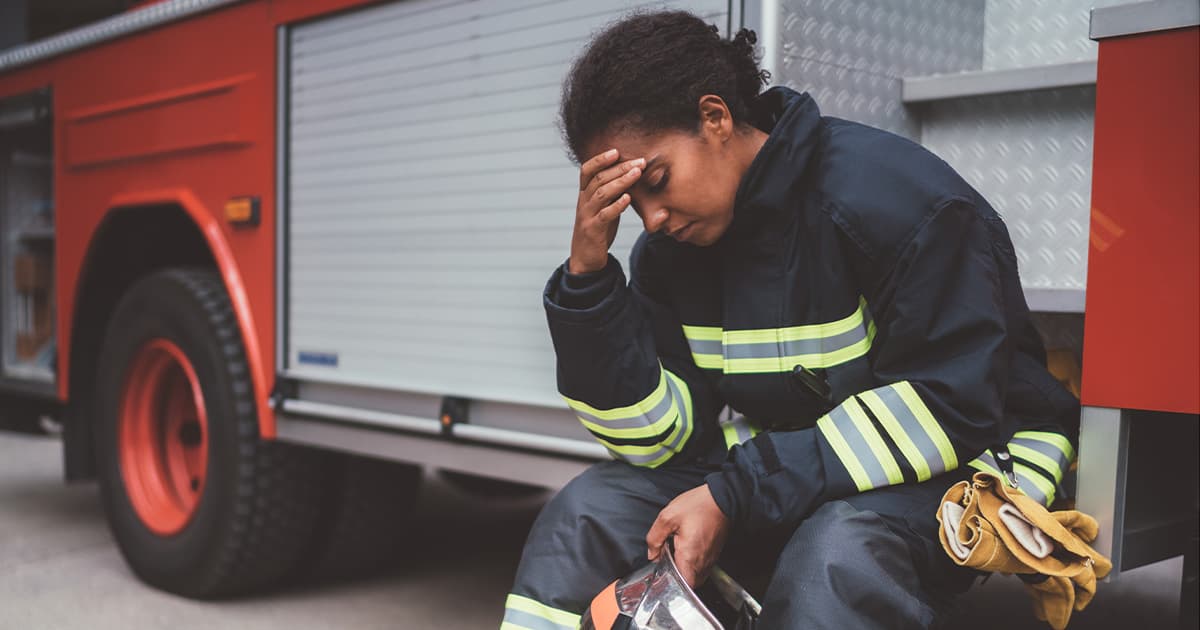
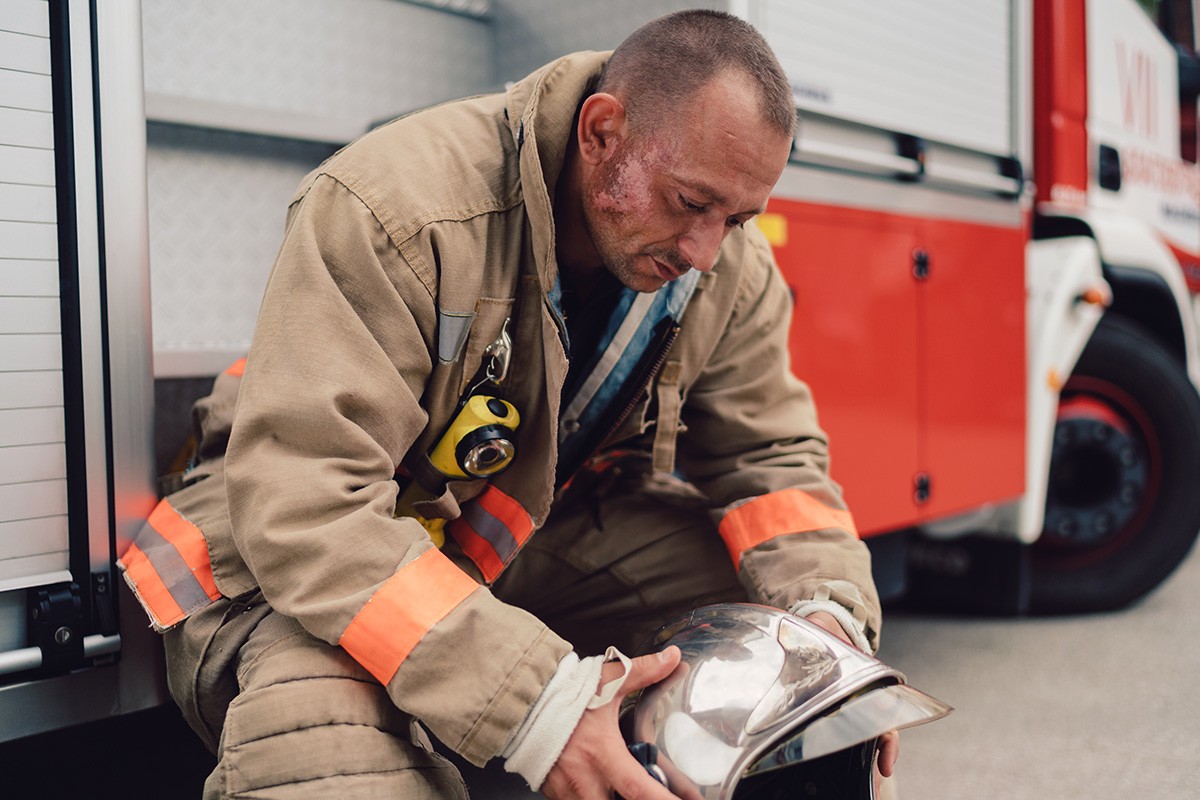
Firefighters represent a high-risk professional group frequently exposed to trauma, life-threatening events, and cumulative occupational stress. As a result, they require early intervention, trauma-informed support, and structured mental health services. The sections below outline the availability of Psychological First Aid (PFA), Critical Incident Stress Management (CISM)/Critical Incident Stress Debriefing (CISD), access to emergency assistance programs, family support, and barriers to care.
Yes. Psychological First Aid is widely available to firefighters through federal, state, and local fire service agencies. Fire departments often integrate PFA into standard protocols following critical incidents such as fatalities, severe injuries, large fires, or disasters. The National Fallen Firefighters Foundation (NFFF) and the International Association of Fire Fighters (IAFF) endorse PFA as an evidence-informed early intervention approach that stabilizes acute stress, reduces emotional overload, and improves long-term resilience (Everly & Flynn, 2006).
Many departments train fire officers, peer-support teams, or designated wellness coordinators in PFA. Components include assessing immediate needs, providing emotional support, connecting individuals with resources, and monitoring high-risk responders. PFA is also included in FEMA’s emergency responder trainings, ensuring national consistency in trauma-informed care.
Firefighters benefit from PFA because it is non-clinical, flexible, and can be deployed rapidly at fire scenes, stations, or during large-scale disasters. Research supports PFA as a practical tool that enhances coping immediately after exposure to traumatic events (Ruzek et al., 2020).
Yes. Firefighters commonly receive access to Critical Incident Stress Management (CISM) or Critical Incident Stress Debriefing (CISD) through departmental programs, regional crisis response teams, or IAFF-sponsored peer support networks.
CISM is a coordinated approach that includes pre-incident education, on-scene support, defusing, CISD, and follow-up referrals. Many fire departments implement the International Critical Incident Stress Foundation (ICISF) model, which emphasizes multidisciplinary support involving mental health clinicians and peer responders (Mitchell & Everly, 1997).
CISD sessions generally occur within 24–72 hours after high-impact events such as:
-
Line-of-duty deaths
-
Mass casualties
-
Child fatalities
-
Traumatic rescues
Although CISD’s effectiveness has been debated, its adapted forms remain widely used in fire service culture as a structured opportunity for responders to process traumatic exposure (McFarlane & Bryant, 2020). Peer-led CISM has shown effectiveness in reducing stigma and encouraging early acknowledgment of stress.
Not always. Many fire departments use both opt-in and automatic referral systems, depending on the severity of the incident. For example:
-
After catastrophic events, all involved firefighters may be automatically scheduled for CISM defusing or CISD.
-
Supervisors or peer-support team members may initiate outreach if they observe behavioral changes.
-
Employees can voluntarily request services confidentially through:
-
Peer support teams
-
Department psychologists
-
Employee Assistance Programs (EAPs)
-
IAFF Center of Excellence hotline
-
However, self-initiation remains common due to firefighter culture emphasizing personal responsibility and resilience. Unfortunately, this can contribute to underutilization, as many responders hesitate to ask for help.
Yes. Most firefighters—especially unionized IAFF members—have access to Employee Assistance Programs (EAPs). These programs provide confidential, short-term counseling, crisis intervention, and referrals for mental health or substance abuse treatment. The IAFF also partners with specialized treatment centers designed specifically for firefighters, such as the IAFF Center of Excellence for Behavioral Health Treatment and Recovery, which offers:
-
24/7 crisis support
-
Inpatient and outpatient care
-
Trauma treatment
-
PTSD and substance use interventions
Municipal departments often provide additional benefits such as:
-
Critical incident leave
-
Chaplaincy services
-
Mental health consultation
EAP access is typically free and confidential, making it an essential tool for early intervention.
Yes. Fire service organizations recognize that trauma affects families as well. Services may include:
1. Family counseling sessions through EAPs
These programs support spouses and children experiencing secondary trauma, communication difficulties, or stress related to shift work.
2. Firefighter family wellness workshops
Programs offered by NFFF and local departments educate families about PTSD, depression, sleep disruption, and emotional changes.
3. Support groups for spouses and partners
Organizations such as the First Responder Support Network (FRSN) provide family-centered retreats and peer-support models.
4. IAFF family support resources
These include online education, crisis resources, and referrals for mental health care.
Families are encouraged to become part of the care network, as research shows strong family involvement significantly improves resilience and reduces long-term distress (Regehr & Bober, 2005).
Firefighters face numerous structural, cultural, and psychological barriers:
A. Stigma and Fear of Judgment
Many firefighters fear appearing weak or unfit for duty. Cultural expectations of toughness may prevent help-seeking behaviors (Henderson et al., 2016).
B. Concerns About Career Impact
Some fear mental health disclosures could affect promotions, team trust, or operational readiness status.
C. Lack of Time and Scheduling Conflicts
Shift work, overtime, and emergency calls make scheduling therapy challenging.
D. Limited Access in Rural Areas
Volunteer or rural firefighters may lack local mental health services with trauma expertise.
E. Burnout and Emotional Exhaustion
Chronic fatigue can reduce motivation to seek help even when services exist.
F. Insufficient Cultural Competence Among Providers
Clinicians unfamiliar with firefighter culture may struggle to build rapport, reducing treatment effectiveness (Jahnke et al., 2019).
Addressing these barriers requires ongoing training, leadership modeling, confidentiality protections, and culturally informed care.
IAFF Center of Excellence for Behavioral Health
24/7 Hotline: (855) 900-8437
Website: https://www.iaffrecoverycenter.com
Services: Crisis support, PTSD treatment, substance use care
Hours: 24/7
National Fallen Firefighters Foundation – Firefighter Wellness Resources
Website: https://www.firehero.org
Hours: Mon–Fri, 9am–5pm EST
International Critical Incident Stress Foundation (ICISF)
CISM Team Support & Training
Website: https://www.icisf.org
Hours: Mon–Fri, 8:30am–4:30pm EST
Safe Call Now (First Responder Crisis Line)
Phone: (206) 459-3020
Hours: 24/7
American Psychiatric Association. (2022). Diagnostic and statistical manual of mental disorders (5th ed., text rev.).
Benedek, D. M., Fullerton, C., & Ursano, R. (2007). First responders: Mental health consequences of natural and human-made disasters. Dialogues in Clinical Neuroscience, 9(1), 19–27.
Everly, G. S., & Flynn, B. W. (2006). Principles and practical procedures for acute psychological first aid training. International Journal of Emergency Mental Health, 8(2), 93–100.
Gist, R., & Devilly, G. (2002). CISM: A review of its effectiveness. Psychiatry, Psychology and Law, 9(1), 112–122.
Henderson, S. N., et al. (2016). Firefighter perceptions of mental health help-seeking. Journal of Workplace Behavioral Health, 31(3), 216–231.
International Association of Fire Fighters. (2023). Behavioral health resources. https://www.iaff.org
Jahnke, S., et al. (2019). Mental health, substance use, and culture among firefighters. Occupational Medicine, 69(7), 528–533.
McFarlane, A. C., & Bryant, R. A. (2020). The effectiveness of psychological interventions following traumatic stress. Annual Review of Clinical Psychology, 16, 399–426.
Regehr, C., & Bober, T. (2005). In the line of fire: Trauma in the emergency services. Oxford University Press.
Ruzek, J. I., et al. (2020). Psychological First Aid: Evidence, implications, and training. Journal of Mental Health Counseling, 42(1), 56–70.