
Create a resource document that you can use as
Create
a resource document that you can use as a quick reference during your lesson planning process to ensure that language development strategies are incorporated for all students.
Include
at least 3 to 4 strategies for promoting language development in the following areas:
Semantics
Syntactic
Pragmatics
Write
a 35- to 50-word explanation for each strategy describing the benefit for students.
Follow
APA 7th edition format.
Language Development Strategies for Effective Lesson Planning
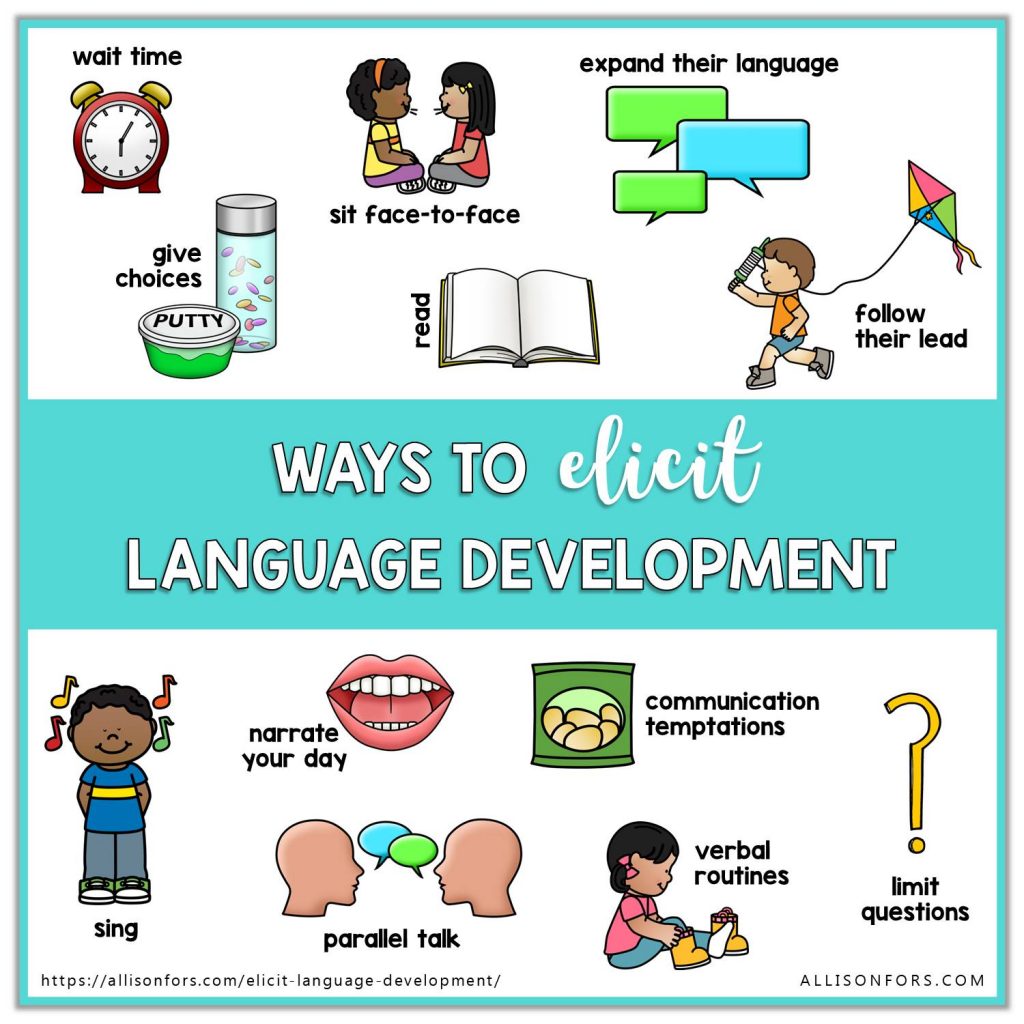
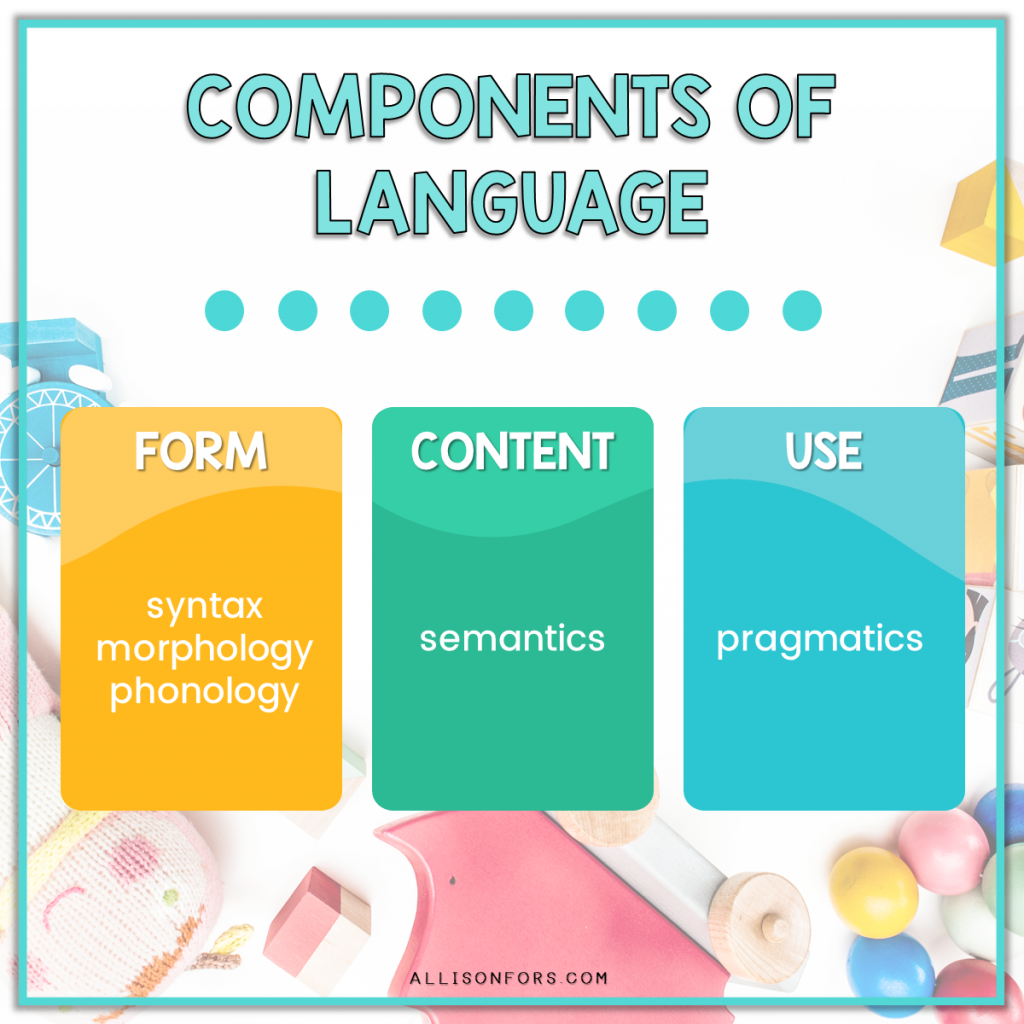
Language development is foundational to academic achievement, literacy, and social communication. Teachers must intentionally embed strategies that support students’ growth in semantics, syntax, and pragmatics. This resource document provides practical, evidence-based strategies that educators can use during lesson planning to ensure all learners, including multilingual students, receive appropriate language support. The strategies included here strengthen vocabulary development, sentence structure, and social language use—skills essential across all grade levels and content areas.
1. Explicit Vocabulary Instruction
Providing direct teaching of key vocabulary before and during lessons helps students understand complex academic language. This strategy also supports English learners who benefit from clear explanations, contextual examples, and repetition. Explicit vocabulary instruction increases comprehension and improves long-term retention of essential terms.
2. Semantic Mapping
Using visual word maps helps students link new vocabulary to prior knowledge by organizing related concepts, synonyms, antonyms, and examples. This visual approach deepens comprehension and allows learners to construct meaningful connections, strengthening their ability to use and recall academic language.
3. Contextualized Reading and Discussion
Students develop stronger semantic understanding when they encounter vocabulary within rich, authentic texts. Guided discussion reinforces word meaning, promotes active engagement, and supports deeper comprehension. This strategy helps multilingual learners apply new vocabulary naturally within academic conversations.
4. Morphological Analysis
Teaching students to analyze roots, prefixes, and suffixes improves vocabulary acquisition and helps them decode unfamiliar academic terms. This strategy builds independence, enhances comprehension across subjects, and strengthens students’ ability to understand complex multisyllabic words.
1. Sentence Frames and Sentence Starters
Sentence frames model correct syntax and allow students to produce structured, academic sentences. They provide scaffolding for English learners and struggling writers while improving grammar accuracy. As confidence increases, supports can be gradually removed to encourage independent language production.
2. Mentor Text Modeling
Examining well-structured sentences from literature, articles, or teacher-created examples gives students concrete models for improving their sentence construction. This strategy helps learners understand how syntax conveys meaning and supports them in writing more complex, polished sentences.
3. Interactive Read-Alouds with Syntax Focus
During read-alouds, teachers can highlight complex sentence patterns and guide students to notice how authors use syntax to express ideas. This exposure builds syntactic awareness, strengthens listening comprehension, and supports students in transferring structures into their speaking and writing.
4. Sentence Combining Activities
Encouraging students to merge short, simple sentences into more complex ones teaches them how to manipulate syntax for clarity and style. This practice enhances writing fluency, supports grammar mastery, and promotes flexible language use.
1. Structured Classroom Discussions
Facilitated turn-taking activities, such as Socratic seminars and partner sharing, support students in learning appropriate conversational norms. These interactions help them practice polite interruptions, clarifying questions, and active listening—skills essential for collaborative learning and real-world communication.
2. Role-Play Scenarios
Role-playing academic and social situations allows students to practice pragmatic skills such as tone, facial expressions, and context-appropriate language. This strategy benefits English learners and students with communication challenges by offering safe opportunities to rehearse social interactions.
3. Think-Pair-Share
This structured routine encourages all students, including quieter learners, to formulate ideas and express them verbally to peers. Think-Pair-Share promotes confidence, supports language production, and fosters respectful communication within the classroom community.
4. Social Stories and Modeling
Using teacher-created social stories and modeling expected behaviors helps students understand pragmatic rules, such as how to request help or disagree respectfully. This strategy is especially effective for learners who need explicit instruction in social communication.
Integrating semantic, syntactic, and pragmatic strategies across lessons ensures comprehensive language development. These practices enhance comprehension, support equitable participation, and promote academic success for students from diverse linguistic backgrounds. Research consistently shows that intentional language instruction embedded within content learning significantly boosts literacy, cognitive development, and overall communication skills. Teachers who plan with these strategies in mind create inclusive classrooms where every learner can develop the language necessary for academic and social success.
Language development is a continuous process that requires intentional planning. The strategies provided in this document serve as a quick-reference tool for teachers seeking to support semantic, syntactic, and pragmatic growth in all learners. By embedding explicit vocabulary instruction, structured syntax routines, and opportunities for meaningful conversation, educators foster an environment where language thrives. These practices not only strengthen academic performance but also equip students with essential communication skills needed throughout life.
Biemiller, A. (2020). Vocabulary development and instruction: A prerequisite for school learning. Reading Psychology, 41(3), 208–225.
Bishop, D. V. M. (2017). Uncommon understanding: Development and disorders of language comprehension in children. Psychology Press.
Duke, N. K., & Cartwright, K. B. (2021). The science of reading comprehension instruction. The Reading Teacher, 74(6), 663–672.
Justice, L. M., & Ezell, H. K. (2019). The syntax handbook: A guide for teachers and clinicians. Pro-Ed.
Kaderavek, J. N. (2018). Language disorders in children: Fundamental concepts of assessment and intervention. Pearson.
Marzano, R. J. (2020). Building background knowledge for academic achievement. ASCD.
Nippold, M. A. (2021). Later language development: School-age children, adolescents, and young adults. Language, Speech, and Hearing Services, 52(4), 1013–1024.
Paul, R., Norbury, C., & Gosse, C. (2022). Language disorders from infancy through adolescence. Elsevier.
Snow, C. E., & Uccelli, P. (2019). The challenges of academic language. Review of Research in Education, 43(1), 152–176.
Spencer, T., & Wagner, R. (2018). Modeling morphological awareness and vocabulary. Journal of Educational Psychology, 110(4), 544–558.