
Domain 1 Security and Risk Management
Domain 1: Security and Risk Management
The Security and Risk Management domain establishes the foundational concepts, principles, structures, and frameworks that guide an organization’s overall information security program. This domain addresses the identification and protection of information assets in alignment with organizational goals, legal and regulatory requirements, and ethical responsibilities. Security and risk management form the basis upon which all other security domains are built, ensuring that security decisions support business objectives and risk tolerance.
This domain includes the development and application of security governance, which defines leadership roles, accountability, and decision-making authority related to information security. Governance ensures that security initiatives are aligned with organizational strategy and that responsibilities are clearly assigned across management, security personnel, and employees. Effective governance promotes a security-aware culture and integrates security into business processes rather than treating it as a standalone function.
Risk management is a central component of this domain and focuses on identifying, analyzing, evaluating, and treating risks to information assets. Organizations must understand threats, vulnerabilities, and potential impacts in order to make informed decisions about risk acceptance, mitigation, transfer, or avoidance. Risk management supports consistent and repeatable decision-making and ensures that resources are allocated to address the most significant risks.
Security and risk management also encompass compliance with legal, regulatory, and contractual requirements. This includes understanding laws related to privacy, data protection, intellectual property, and industry-specific regulations. Ethical considerations and professional responsibility are emphasized to ensure that security professionals act with integrity and uphold the trust placed in them by organizations and stakeholders.
Finally, this domain addresses security awareness and education, which are essential for reducing human-related risks. Policies, standards, and procedures provide formal guidance, while training and awareness programs ensure that personnel understand their roles in protecting information assets. Together, these elements establish a comprehensive security management framework that supports confidentiality, integrity, and availability while enabling the organization to operate effectively in a risk-informed manner.
Consult your syllabus and complete your reading assignment for this week. Then, research the Internet for an article that is no more than 2 years old that deals with one or more concepts covered in your reading assignment.
Summarize the article in your own words and create 3 discussion questions you will use to lead a discussion of this article in your synchronous class session.
Please note this assignment will be run through Turnitin. Format your assignment using APA standards and attribute all sources.
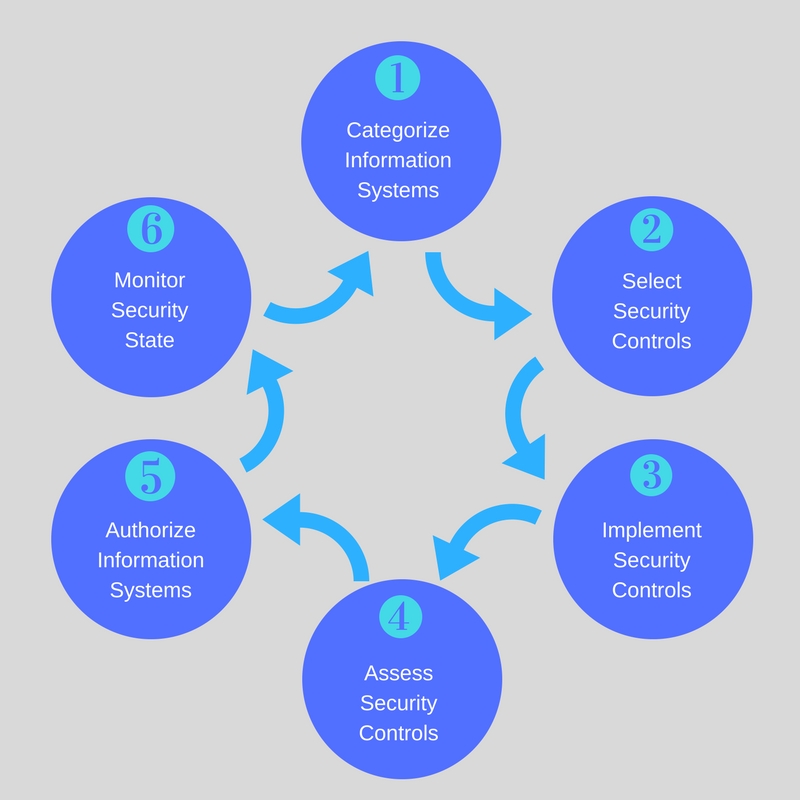

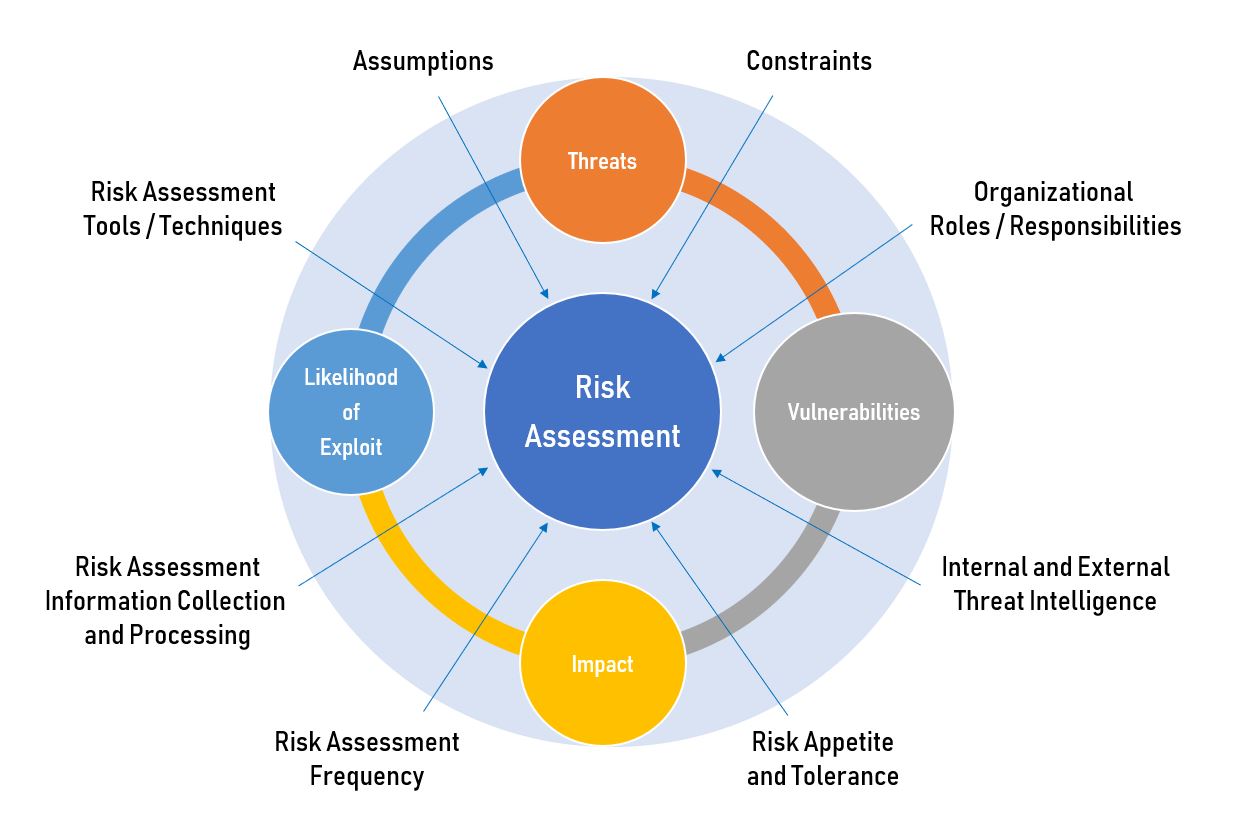
Security and Risk Management as the Foundation of Cybersecurity
Introduction
Domain 1: Security and Risk Management forms the foundation of any effective information security program. It establishes the principles, frameworks, and governance structures that ensure security efforts align with organizational goals, legal requirements, and ethical responsibilities. This domain emphasizes that information security is not merely a technical function but a strategic business enabler that supports confidentiality, integrity, and availability while managing risk within acceptable tolerance levels.
This paper reviews the core concepts of Security and Risk Management, summarizes a recent article related to this domain, and presents discussion questions to support a synchronous class session. The analysis integrates course concepts with current industry research and highlights the continued relevance of governance, risk management, compliance, and security awareness in today’s threat landscape.
Overview of Security and Risk Management Concepts
Security and risk management begin with the identification and classification of information assets. Organizations must understand what data they possess, its value, and the potential impact if that data is compromised. These assessments guide the selection of appropriate safeguards and ensure security investments are proportional to business risk.
Security governance is a critical component of this domain. Governance defines leadership responsibilities, decision-making authority, and accountability for information security. Effective governance integrates security into organizational strategy, ensuring that executives, managers, and employees share responsibility for protecting information assets. Rather than operating in isolation, security becomes embedded in business processes and organizational culture.
Risk management supports governance by providing a structured approach to identifying threats, vulnerabilities, and potential impacts. Through risk assessment, organizations evaluate likelihood and consequence, enabling informed decisions such as risk mitigation, acceptance, transfer, or avoidance. This process ensures that limited resources are focused on the most significant risks.
Compliance and ethics are equally important. Organizations must adhere to legal, regulatory, and contractual requirements related to privacy, data protection, and intellectual property. Ethical behavior and professional responsibility ensure that security professionals maintain trust and act in the best interests of stakeholders.
Finally, security awareness and training address the human element of risk. Policies and procedures provide formal guidance, but training ensures that employees understand their roles in maintaining security. Together, these elements establish a comprehensive framework that supports organizational resilience.
Article Summary: Verizon 2024 Data Breach Investigations Report
The Verizon 2024 Data Breach Investigations Report (DBIR) provides a comprehensive analysis of thousands of real-world security incidents and data breaches across industries and regions. The report directly aligns with the Security and Risk Management domain by emphasizing risk identification, threat trends, governance challenges, and the role of human behavior in cybersecurity incidents.
One of the report’s key findings is that human-related factors—such as phishing, social engineering, and misuse of credentials—continue to play a dominant role in data breaches. According to the DBIR, credential theft and phishing remain among the most common initial attack vectors, highlighting the persistent risk posed by inadequate security awareness and training. This reinforces the importance of user education as a foundational control within security management frameworks.
The report also emphasizes the role of governance and risk-based decision-making. Organizations with mature security programs, including defined policies, leadership oversight, and incident response planning, were better positioned to detect and contain breaches more quickly. This finding supports the principle that security governance is essential for aligning security initiatives with business objectives and ensuring accountability.
Another significant theme in the DBIR is the increasing exploitation of vulnerabilities in third-party software and supply chains. This trend underscores the importance of comprehensive risk management that extends beyond organizational boundaries. Risk assessments must consider vendors, partners, and cloud service providers, reinforcing the need for contractual and regulatory compliance measures.
Overall, the Verizon DBIR illustrates that while technology is important, effective security and risk management depend on governance structures, risk-informed decision-making, ethical responsibility, and continuous security awareness. The report serves as a practical example of how Domain 1 concepts apply to real-world cybersecurity challenges.
Connection to Course Concepts
The Verizon DBIR strongly reinforces the core principles outlined in Domain 1. The dominance of human-related breaches highlights the importance of security awareness programs, policies, and ethical responsibility. The report’s emphasis on governance maturity aligns with the course focus on leadership accountability and strategic integration of security.
Additionally, the findings related to third-party risk emphasize the need for comprehensive risk management processes that evaluate threats and vulnerabilities across the entire business ecosystem. This demonstrates how risk management supports consistent, repeatable decision-making and resource allocation.
By connecting theoretical frameworks to empirical data, the article demonstrates that Security and Risk Management is not abstract but directly influences organizational resilience and operational effectiveness.
Discussion Questions
-
How can organizations balance security awareness training with employee productivity while still reducing human-related cybersecurity risks?
-
What role should executive leadership play in ensuring that security governance remains aligned with organizational strategy and risk tolerance?
-
How should organizations adapt their risk management practices to address growing third-party and supply chain cybersecurity risks?
Conclusion
Security and Risk Management serve as the cornerstone of an effective information security program. Domain 1 establishes the governance structures, risk management processes, compliance requirements, and awareness initiatives that support all other security domains. The Verizon 2024 Data Breach Investigations Report demonstrates that many modern security failures stem not from a lack of technology but from weaknesses in governance, risk awareness, and human behavior.
By integrating course concepts with current industry research, it becomes clear that organizations must adopt a holistic, risk-informed approach to security. Strong governance, ethical responsibility, and continuous education are essential for protecting information assets and enabling organizations to operate securely in an increasingly complex threat environment.
References (APA Style)
Alberts, C., & Dorofee, A. (2022). Managing information security risks. Carnegie Mellon University Press.
ENISA. (2024). ENISA threat landscape 2024. European Union Agency for Cybersecurity.
International Organization for Standardization. (2022). ISO/IEC 27001: Information security management systems. ISO.
ISACA. (2023). COBIT 2019 framework: Governance and management objectives. ISACA.
NIST. (2024). Cybersecurity framework (CSF) 2.0. National Institute of Standards and Technology.
Ponemon Institute. (2024). Cost of a data breach report. IBM Security.
Siponen, M., & Oinas-Kukkonen, H. (2022). A review of information security awareness research. Computers & Security, 113, 102556. https://doi.org/10.1016/j.cose.2021.102556
Solms, R. von, & Solms, B. von. (2023). Information security governance: A practical development. Information Systems Management, 40(1), 1–12.
Verizon. (2024). Data breach investigations report. Verizon Enterprise.
Whitman, M. E., & Mattord, H. J. (2023). Principles of information security (7th ed.). Cengage Learning.