
Interventions for Priority Diagnosis
1- Interventions for Priority Diagnosis:
Proposed interventions are specific to the identified priority diagnosis and assist in meeting the identified goals.
• Proposed interventions are supported by scholarly, evidence based sources.
• Identifies the level of prevention for proposed interventions.
• Identifies the category and level of practice (community, systems, or individual/family) that best describes the proposed interventions from the Public Health Intervention Wheel (Nies, 2019, p. 14).
2- Evaluation for Priority Diagnosis:
Discusses evaluation from the level of a client to the aggregate population.
• Describes the measures that will be used to evaluate meeting the identified goals.
• Evaluation plan establishes specific outcome criteria for evaluating the identified goals.
• The evaluation plan includes specific elements to determine efficacy of interventions (how, who, when).
Community Diabetes Prevention: Interventions and Evaluation
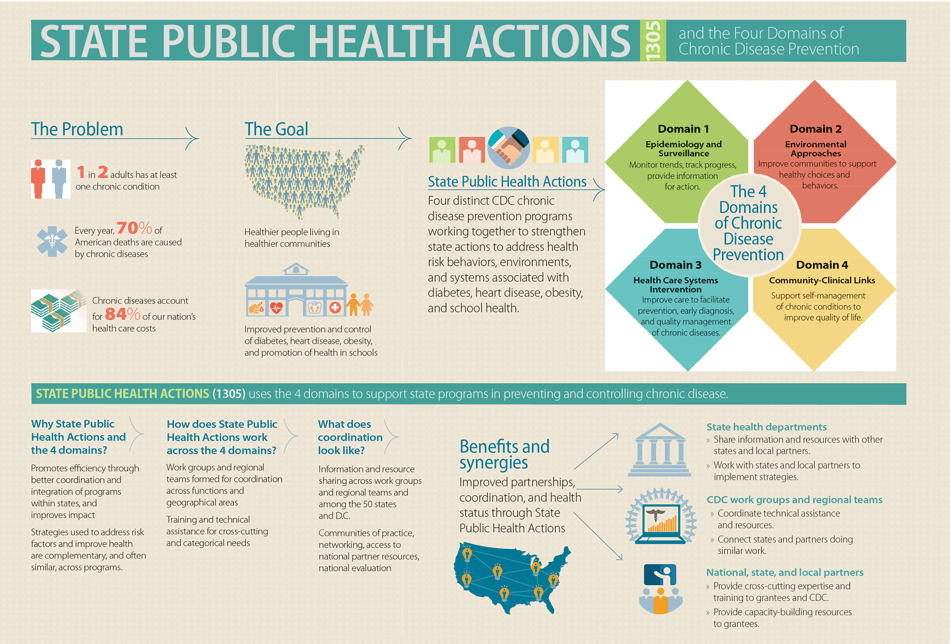
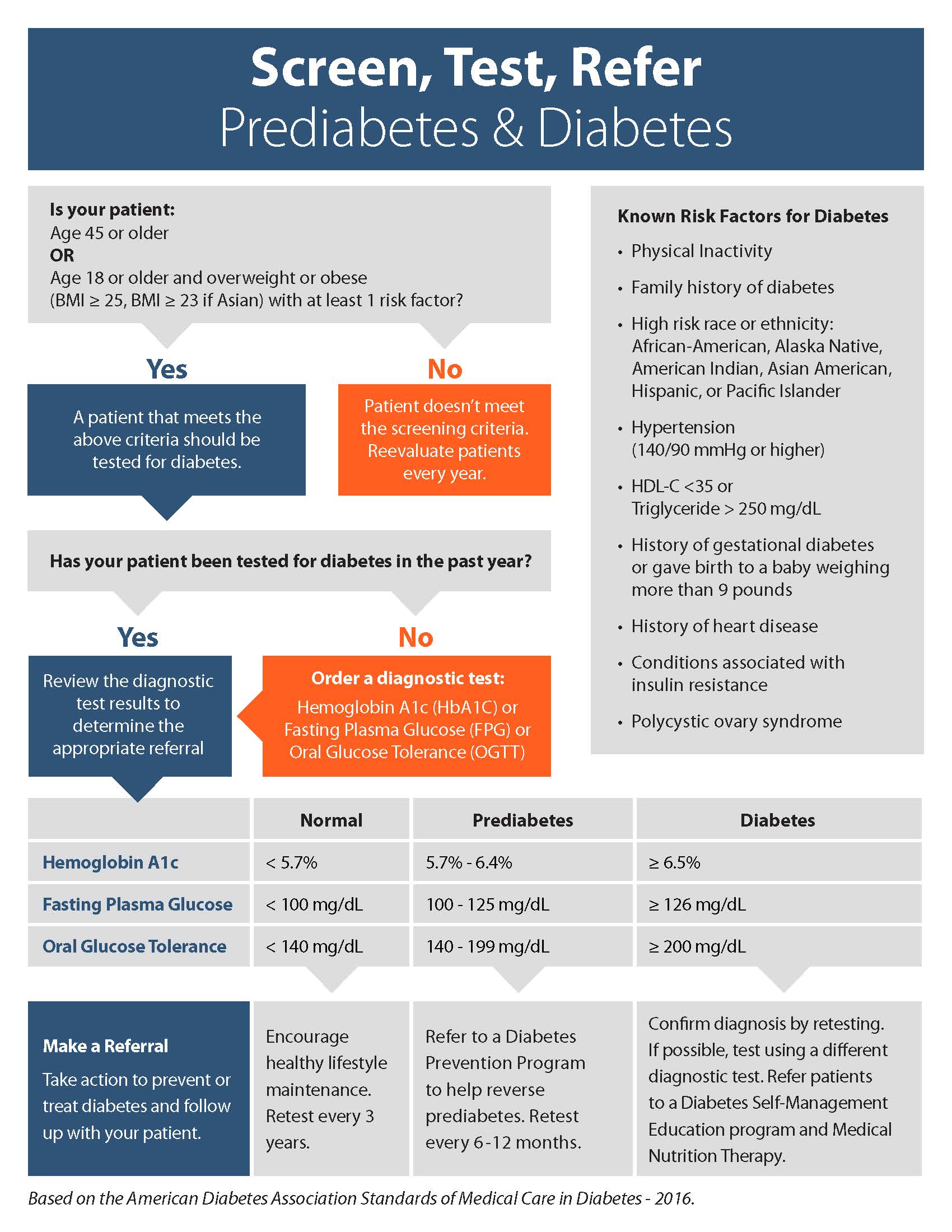
Type 2 diabetes continues to rise in many U.S. communities due to preventable lifestyle and environmental factors. Public health nurses play a pivotal role in designing interventions that target individuals, systems, and community structures. This paper presents evidence-based interventions aligned with the priority diagnosis, identifies relevant prevention levels and Public Health Intervention Wheel categories, and outlines a comprehensive evaluation strategy for both individuals and the aggregate population.
1. Community Health Education Workshops
Evidence-based research demonstrates that structured diabetes-prevention education significantly reduces disease incidence and improves self-management behaviors (Li et al., 2019). Educational workshops will address nutrition, physical activity, glucose monitoring, and risk-reduction practices.
Level of Prevention: Primary Prevention
Intervention Wheel Category: Health Teaching (Community Level)
This strategy empowers adults with knowledge that promotes healthier behaviors and prevents disease onset.
2. Partnership with Local Grocery Stores for Healthy Food Access
Limited access to affordable nutritious foods contributes to obesity and diabetes. Partnering with local stores to implement discounts on fresh produce and labeling healthier options has been shown to improve dietary behaviors (Thorndike et al., 2019).
Level of Prevention: Primary Prevention
Intervention Wheel Category: Collaboration & Coalition Building (Systems Level)
This supports environmental change that reduces community-level risk factors.
3. Community Walking Groups Led by Public Health Nurses
Physical inactivity strongly predicts diabetes risk. Walking groups promote moderate-intensity activity and enhance accountability among participants. Studies confirm that community walking programs reduce BMI and improve metabolic markers (Murtagh et al., 2015).
Level of Prevention: Primary Prevention
Intervention Wheel Category: Community Organizing (Community Level)
This fosters supportive peer networks and sustainable lifestyle change.
4. Mobile Diabetes Screening Clinics
Mobile screenings provide early detection through HbA1c testing, blood pressure measurement, and BMI checks. This identifies high-risk adults and links them to primary care. Early detection reduces complications and long-term costs (American Diabetes Association, 2022).
Level of Prevention: Secondary Prevention
Intervention Wheel Category: Screening (Individual/Family Level)
This strategy ensures early identification of undiagnosed diabetes or prediabetes.
5. Referral System to Local Diabetes Prevention Programs (DPPs)
Evidence supports CDC-recognized DPPs as the most effective non-pharmacological approach to reducing diabetes risk (Knowler et al., 2002). A structured referral process helps individuals transition from screening to ongoing prevention support.
Level of Prevention: Secondary Prevention
Intervention Wheel Category: Referral and Follow-Up (Individual/Family Level)
This fosters continuity of care and structured support for lifestyle modification.
6. Policy Advocacy for Safe Community Recreation Areas
Advocating for improved lighting, sidewalks, and green spaces enhances opportunities for physical activity and reduces safety barriers. Policy-level interventions are among the most effective for long-term population health improvement (Kohl et al., 2012).
Level of Prevention: Primary Prevention
Intervention Wheel Category: Advocacy (Systems Level)
This shapes the environment to promote activity on a community-wide scale.
Evaluation must determine whether interventions effectively reduce diabetes risk at both the individual and population levels.
Individual-Level Evaluation
At the client level, evaluation will focus on measurable clinical and behavioral outcomes.
Measures:
-
HbA1c levels before and after participation
-
BMI reduction over 6 months
-
Self-reported physical activity frequency
-
Dietary habit improvements measured using validated surveys
Outcome Criteria:
-
≥ 0.5% reduction in HbA1c in high-risk individuals
-
≥ 5% reduction in body weight
-
≥ 150 minutes/week of physical activity
-
Demonstrated adoption of healthier dietary patterns
How, Who, and When:
-
Screenings and post-intervention follow-ups will be completed by public health nurses at baseline and 6 months.
-
Participants will complete standardized lifestyle questionnaires monthly.
-
Data will be reviewed bi-monthly to monitor individual progress.
Aggregate Population Evaluation
At the community level, evaluating overall impact requires tracking trends across multiple data points.
Measures:
-
Community-wide obesity prevalence
-
Number of participants attending workshops and walking groups
-
Community HbA1c screening results
-
Local policy adoption related to healthy environments
Outcome Criteria:
-
≥ 10% increase in community participation in prevention programs
-
≥ 5% reduction in new diabetes diagnoses within 12 months
-
Adoption of at least one local policy promoting physical activity
-
Improved access to affordable healthy foods as measured through store audits
How, Who, and When:
-
Public health administrators and epidemiologists will collect population-level data quarterly.
-
Grocery store partners will provide sales and inventory reports.
-
Community planners and city council records will be used to track policy changes.
-
Aggregate data will be reviewed annually to determine long-term sustainability and impact.
Effective diabetes prevention requires integrated interventions that address individual behaviors, community structures, and system-level barriers. By aligning strategies with the Public Health Intervention Wheel and implementing comprehensive evaluation methods, public health nurses can create measurable improvements in community health. Clear outcome criteria, structured follow-up, and population-level monitoring ensure that interventions remain evidence-based and outcome-focused. Ultimately, this approach supports sustainable risk reduction and enhances long-term well-being across diverse populations.
American Diabetes Association. (2022). Standards of medical care in diabetes—2022. Diabetes Care, 45(Suppl 1), S1–S100.
Centers for Disease Control and Prevention. (2021). Diabetes prevention program (DPP). https://www.cdc.gov
Knowler, W. C., et al. (2002). Reduction in type 2 diabetes with lifestyle intervention. New England Journal of Medicine, 346(6), 393–403.
Kohl, H. W., et al. (2012). The pandemic of physical inactivity. The Lancet, 380(9838), 294–305.
Li, R., Qu, S., Zhang, P., & Chattopadhyay, S. (2019). Economic evaluation of community-based diabetes prevention. American Journal of Preventive Medicine, 57(6), 792–802.
Murtagh, E. M., et al. (2015). Walking for health: A community-based intervention. Preventive Medicine, 72, 1–7.
Nies, M. A., & McEwen, M. (2019). Community/public health nursing (7th ed.). Elsevier.
Thorndike, A. N., Sunstein, C. R., & Levy, D. E. (2019). Healthy food labeling and purchasing patterns. JAMA Internal Medicine, 179(3), 372–380.
U.S. Department of Health and Human Services. (2020). Healthy People 2030. https://www.health.gov
World Health Organization. (2021). Preventing chronic diseases: A vital investment. WHO Press.