
Leading with Awareness: A Personal Reflection
It is that time of the year when your annual performance review is due. As part of your management role for the organization, Human Resources has asked you to include a leadership checklist and self-reflection. Consider where you are today as a leader, and where you want to be in the future. Reflect on how this awareness allows you to:
• Think critically
• Manage emotions
• Make decisions
• Communicate effectively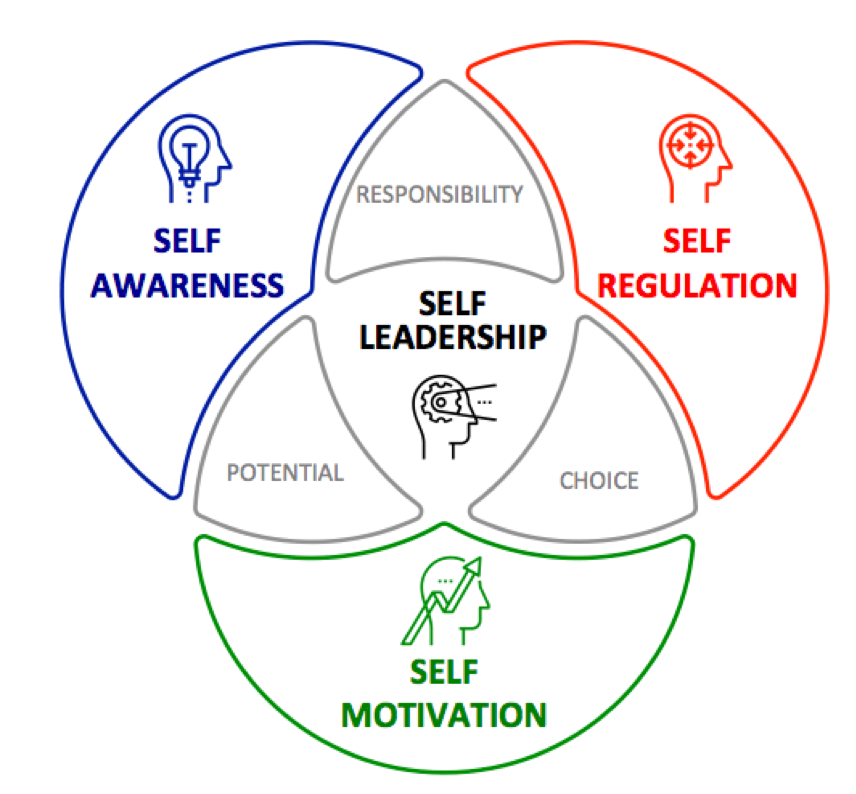
Paper For Above Instructions
As I prepare for my annual performance review, I see it as more than a formality; it is a chance to assess who I am as a leader today and who I want to become. A meaningful leadership checklist and self-reflection must go beyond technical skills and focus on self-awareness. Understanding my own thoughts, emotions, and behaviors shapes how I think critically, manage emotions, make decisions, and communicate with others. This awareness is the foundation of my current leadership and the bridge to the leader I aspire to be.
Self-Awareness as the Foundation of Leadership
Self-awareness is the ability to recognize my own emotions, strengths, limitations, values, and the impact I have on others.TSW Training+1 Research suggests that self-awareness is one of the strongest predictors of leadership success, yet relatively few people are truly self-aware.SkillPath For me, self-awareness begins with asking honest questions:
-
How do others experience me when I am under pressure?
-
Where do I consistently excel, and where do I repeatedly struggle?
-
What feedback have I been resisting?
By treating feedback, journaling, and reflection as regular practices—not just once a year during reviews—I can see patterns in my behavior. That insight helps me move from reactive habits to intentional leadership.
Thinking Critically as a Self-Aware Leader
Critical thinking is the ability to analyze information objectively, challenge assumptions, and make reasoned judgments. Self-awareness strengthens this skill because it helps me notice my biases and mental shortcuts.Harvard Business Impact+1
When I review data, plan strategy, or evaluate team performance, I ask myself:
-
Am I favoring ideas that confirm what I already believe?
-
Am I giving more weight to voices I like or to the loudest person in the room?
-
Am I reacting emotionally instead of looking at evidence?
Reflective leadership models emphasize a cycle of awareness, judgment, action, and reflection.VRTAC QM Drupal Shared Files By pausing to reflect before and after key decisions, I can refine my reasoning process. Over time, this practice improves the quality of my decisions and helps me explain them more clearly to my team, which builds trust and credibility.
Managing Emotions Through Emotional Intelligence
Daniel Goleman’s work on emotional intelligence highlights five key components: self-awareness, self-regulation, motivation, empathy, and social skills.TSW Training+1 For me, managing emotions—especially stress, frustration, and uncertainty—is a daily leadership challenge.
Self-awareness helps me recognize early signs that I am becoming defensive, impatient, or overwhelmed. Instead of letting those emotions drive my behavior, I can:
-
Take a pause before responding in heated situations
-
Ask clarifying questions instead of making assumptions
-
Use relaxation or grounding techniques to reset my mindset
Research shows that leaders with strong emotional intelligence are better at coaching teams, managing conflict, and maintaining engagement.Harvard Business School Online+1 When I manage my emotions well, I create a more stable environment where my team feels safe sharing ideas and concerns. When I do not, people may withdraw, mirror my stress, or lose confidence in my leadership.
My future goal is to deepen my emotional regulation skills—especially during high-stakes moments—so that my team can rely on me to remain composed and solution-focused even when things go wrong.
Making Better Decisions with Reflective Practice
Leadership is ultimately measured by the quality and impact of decisions. Self-awareness supports better decision-making in several ways:
-
Clarifying values: When I am clear about my personal and organizational values, I can align decisions with what matters most, not just with what is easiest or most popular.Kapable+1
-
Recognizing cognitive and emotional bias: By noticing when I am overly optimistic, risk-averse, or influenced by recent events, I can intentionally seek alternative viewpoints or additional data.Harvard Business Impact+1
-
Learning from outcomes: Reflective leaders continually review the results of their choices to refine their judgment.VRTAC QM Drupal Shared Files
In my current role, I sometimes move too quickly when deadlines are tight, making decisions with limited consultation. As I grow, I want to build more disciplined decision processes: clearly defining the problem, involving the right stakeholders, weighing options against criteria, and documenting the reasoning. This disciplined approach not only improves decisions but also makes them more transparent to my team.
Communicating Effectively as a Self-Aware Leader
Communication is where my internal mindset becomes visible to others. Self-awareness helps me understand how my tone, body language, and word choice affect people. Studies on emotional intelligence emphasize that empathy and relationship management—both grounded in awareness—are critical to impactful communication.ICAgile+2Daniel Goleman Emotional Intelligence+2
In practice, this means:
-
Listening before speaking: Giving others space to share their perspectives fully, and summarizing what I heard to confirm understanding.
-
Adapting my style: Adjusting my level of detail, pace, and medium (email, meeting, one-on-one) depending on the audience.
-
Being transparent: Explaining not only what decisions were made, but why, including trade-offs and uncertainties.
I also aim to communicate more consistently about expectations and feedback. The Leadership Practices Inventory emphasizes that exemplary leaders “model the way” and “inspire a shared vision”—both require clear and values-based communication.Leadership Challenge+2Campus Life+2 Going forward, I want to build more two-way communication channels—such as regular check-ins and anonymous feedback tools—so that my team feels heard and involved.
My Leadership Checklist and Future Goals
Based on this reflection, my leadership checklist centers on four domains:
-
Self-Awareness
-
Schedule weekly reflection time (journal or structured questions).
-
Seek honest feedback from peers, direct reports, and supervisors.
-
-
Critical Thinking
-
Challenge assumptions and ask, “What evidence supports this?”
-
Involve diverse perspectives in problem-solving.
-
-
Emotional Management
-
Practice techniques to pause and respond rather than react.
-
Notice emotional triggers and plan healthy coping strategies.
-
-
Communication and Relationships
-
Listen actively and summarize others’ viewpoints.
-
Communicate decisions and reasoning clearly and respectfully.
-
In the future, I want to be known as a reflective, emotionally intelligent, and ethical leader—someone who thinks deeply, manages emotions wisely, decides thoughtfully, and communicates with clarity and empathy. Continuous self-awareness is the pathway from where I am now to the leader I want to become.
References (APA Style)
Goleman, D. (2019). Emotional intelligence in leadership: Why it’s important. Harvard Business School Online. Harvard Business School Online
Harvard Business Publishing. (2025). The ladder of inference: Building self-awareness to be a better human-centered leader. Harvard Business Impact
Kapable. (2025). The crucial role of self-awareness in effective leadership. Kapable
Kouzes, J. M., & Posner, B. Z. (2021). The Leadership Challenge guide: The Five Practices of Exemplary Leadership. Wiley. VRTAC QM Drupal Shared Files
Kouzes, J. M., & Posner, B. Z. (2013). Student leadership practices inventory: Self instrument. Wiley. Campus Life
Online HBS. (n.d.). The reflective leadership model. Harvard Business School Online Blog.
SkillPath. (2024). Self-awareness is the strongest predictor of leadership success. SkillPath Blog. SkillPath
TSW Training. (2024). The importance of self-awareness in emotional intelligence. TSW Blog. TSW Training
TSW Training. (2025). Daniel Goleman’s emotional intelligence. TSW Blog. TSW Training
ICAgile. (2025). The four pillars of emotional intelligence in leadership. ICAgile Resources. ICAgile