
The Chief Executive Officer of Healthy Dynamics
The Chief Executive Officer of Healthy Dynamics and your internal team had the opportunity to review the memo, the workflow analysis, objectives, vision, and mission statements. The project manager is onboard and received the strategy map/data table that identified the key stakeholders’ roles and responsibilities. The CEO has scheduled another meeting next week to review all components of the strategic planning model so far with you and the project manager. The CEO has asked you, the strategic planning manager, to develop a high-level marketing plan that will also include forms of communication you will use to promote the new services.
Instructions
Create a marketing and promotion Strategy Diagram/Chart that includes:
The identified services (focus area)
Research and list key competitors
Research and select target markets (Who will you promote your idea to?)
Draft a promotional message (clear, brief, informative, and persuasive) that conveys information about the services/product the company will provide
Identify modes of communication (How will you present the new idea/service to your target audience?)
Create the projected marketing and promotion budget
Your assignment should include a title page, a reference page, and a minimum of two internet sources and one scholarly source, which must be retrieved from the Rasmussen Library
Marketing Strategy for Launching Healthy Dynamics Services

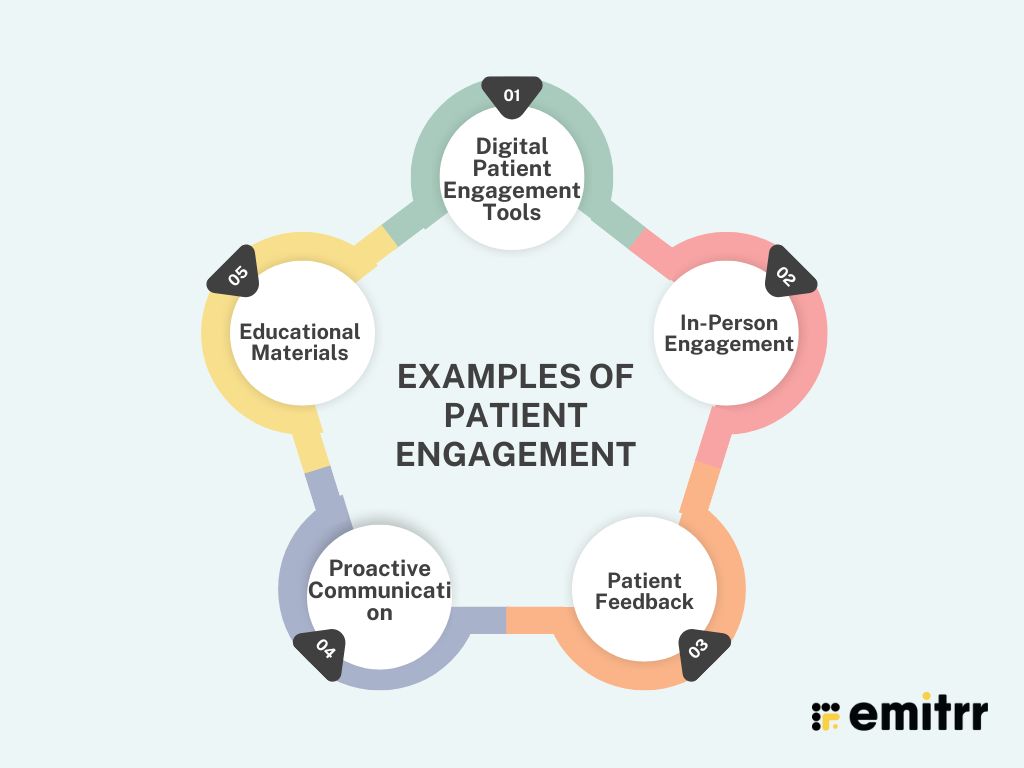
Healthy Dynamics is preparing to launch a new suite of integrated health services designed to improve patient access, streamline chronic disease management, and enhance care coordination. As the strategic planning manager, this marketing and promotion plan outlines the competitive landscape, target markets, communication channels, promotional messaging, and required budget. The strategy ensures strong alignment with the organization’s overall mission and will support successful adoption among patients, providers, and community partners.
Marketing Strategy Overview
| Component | Description |
|---|---|
| Focus Area / Services | Chronic Disease Management Program, Telehealth Services, Community Wellness Coaching, Remote Patient Monitoring (RPM) |
| Target Markets | Medicare/Medicaid beneficiaries, adults with chronic diseases, employers seeking corporate wellness partnerships, primary care providers, caregivers |
| Key Competitors | CVS Health, Optum, Teladoc Health, local hospital outpatient centers, regional home-health agencies |
| Promotional Message | “Healthy Dynamics delivers personalized, technology-enhanced care that empowers you to manage your health anytime, anywhere.” |
| Communication Modes | Email campaigns, provider outreach packets, social media advertising, virtual webinars, community events, local radio/TV, patient portal messaging |
| Projected Marketing Budget | $165,000 annual promotional budget (digital ads, materials, events, partnerships) |
Healthy Dynamics will promote the following services:
1. Chronic Disease Management Program
Structured support for patients with diabetes, hypertension, COPD, and heart disease.
2. Telehealth and Virtual Visits
24/7 access to clinicians using secure video platforms.
3. Remote Patient Monitoring (RPM)
Home-based monitoring devices synced to clinical dashboards for early risk detection.
4. Community Wellness Coaching
Nutrition counseling, exercise planning, and preventive health education.
5. Care Coordination and Case Management
Integrated communication among physicians, specialists, and caregivers to reduce fragmentation.
These services align with national trends emphasizing convenience, early intervention, and technology-enabled care (HIMSS, 2023).
Competitors include national telehealth providers, retail health clinics, and regional health systems. Key players:
1. Teladoc Health
Leading virtual care provider offering urgent, chronic, and mental health visits.
2. CVS Health / MinuteClinic
Retail clinics with extended hours and walk-in care services.
3. Optum
Population health management solutions, analytics, and chronic care programs.
4. Local Hospital Systems
Outpatient clinics providing chronic disease follow-up and telehealth.
5. Regional Home Health Agencies
Providing in-home care management; overlap with RPM and chronic care services.
Understanding competitors helps Healthy Dynamics differentiate through personalized, integrated, community-focused service delivery.
1. Medicare and Medicaid Beneficiaries
Higher prevalence of chronic diseases and strong reimbursement for RPM and care management programs.
2. Adults with Chronic Medical Conditions
Ages 35–75; seeking easier access to specialists, virtual care, and disease support.
3. Employers and Corporate Wellness Customers
Companies aiming to reduce employee absenteeism and healthcare costs.
4. Local Primary Care Providers
Providers seeking a partner for coordinated chronic disease management.
5. Caregivers
Family members managing seniors’ or disabled relatives’ health needs.
6. Technology-Friendly Patients
Individuals comfortable using smartphones, health apps, and home monitoring tools.
These markets offer high growth, strong reimbursement, and alignment with Healthy Dynamics’ mission.
A strong promotional message must be clear, concise, persuasive, and aligned with patient values:
Promotional Message
“Healthy Dynamics delivers personalized, technology-enhanced care that empowers you to manage your health anytime, anywhere. With virtual visits, remote monitoring, and coordinated support, better health is now within reach.”
This message emphasizes accessibility, convenience, empowerment, and innovation—key attributes valued by modern consumers (Accenture, 2022).
1. Digital Marketing
-
Social media ads (Facebook, Instagram, LinkedIn)
-
Google Ads for telehealth and chronic care searches
-
Email campaigns targeting current patients and providers
2. Provider Outreach
-
Informational packets for clinics
-
Lunch-and-learn sessions with medical groups
-
Electronic health record (EHR) integration announcements
3. Community-Based Promotion
-
Health fairs
-
Wellness workshops
-
Partnerships with local nonprofits, churches, senior centers
4. Traditional Media
-
Local radio interviews
-
Television commercials
-
Newspaper ads
5. Virtual Events
-
Webinars on chronic disease management
-
Live Q&A sessions with clinicians
6. Patient Portal Messaging
-
Direct notifications and educational materials
These multimodal communication methods ensure broad reach among diverse populations.
| Marketing Component | Annual Cost |
|---|---|
| Digital Ads (Google + Social Media) | $60,000 |
| Community Events & Workshops | $20,000 |
| Provider Outreach Materials | $15,000 |
| Website + Content Development | $10,000 |
| Traditional Media (Radio/TV/Newspaper) | $40,000 |
| Webinar/Virtual Event Production | $10,000 |
| Contingency | $10,000 |
| Total Annual Marketing Budget | $165,000 |
This budget aligns with industry standards for mid-sized healthcare organizations launching new service lines (AMA, 2023).
The marketing and promotion strategy for Healthy Dynamics focuses on increasing visibility, attracting patients who benefit most from chronic disease and telehealth services, and building strong provider partnerships. With a clear promotional message and diversified communication channels, Healthy Dynamics is positioned to successfully launch its services, strengthen market presence, and improve community health outcomes. The projected budget supports sustainable growth, measurable engagement, and long-term strategic impact.
Accenture. (2022). Digital health consumer survey. https://www.accenture.com
American Marketing Association. (2023). Healthcare marketing benchmarks and insights.
Centers for Medicare & Medicaid Services. (2022). Chronic care management and RPM reimbursement guidelines.
Deloitte. (2023). Future of virtual care: Trends and projections.
Harvard Business Review. (2022). Marketing strategies in digital healthcare transformation. HBR, 100(2), 45–53.
HIMSS. (2023). 2023 telehealth and digital health survey results.
Kotler, P., & Armstrong, G. (2022). Principles of marketing (19th ed.). Pearson.
MarketWatch. (2023). Telehealth market competition outlook.
McKinsey & Company. (2023). Healthcare consumerism and digital trends.
Statista. (2023). U.S. chronic disease management market growth report.