
You will research and write an individual
You will research and write an individual response about one aspect of Shakespearean times culture. Choose one of the following topics to research. Once you have found enough facts (2-3), write a 250-word response summarizing what you found. In your response, be sure to consider the questions asked under your topic.
1. Fashion/Beauty Standards
: Every society creates their own set of arbitrary beauty standards. What was once considered beautiful or high fashion is often contradictory to what is valued today. Look up more about Elizabethan fashion and beauty standards and contrast them with what is popular today. Why do you think these standards change so often and often so drastically?
Changing Ideals: Elizabethan Beauty and Modern Fashion
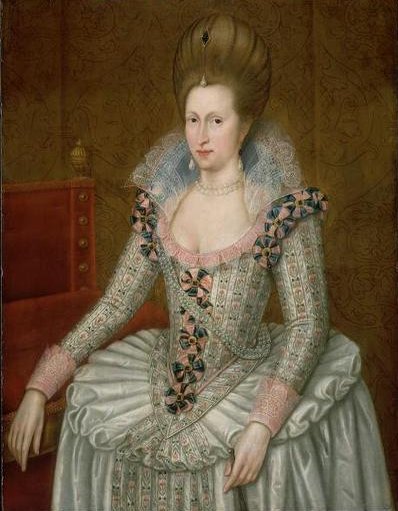

Fashion and beauty standards are powerful reflections of a society’s values, beliefs, and cultural identity. During Shakespearean or Elizabethan times (1558–1603), the appearance of both men and women was shaped by symbolism, class expectations, and political influences—particularly the reign of Queen Elizabeth I. Compared with today’s fast-paced, globalized fashion culture, the standards of the Elizabethan period appear highly rigid, extravagant, and even dangerous by modern health standards. Understanding these beauty ideals not only highlights how drastically fashions change but also illustrates how societal values continuously reshape perceptions of attractiveness.
Elizabethan beauty ideals emphasized status, purity, and wealth, all communicated through clothing and appearance.
1. Pale Skin as a Marker of Nobility
Pale, porcelain skin was considered the pinnacle of beauty. This ideal was tied to status: light skin meant a woman did not work outdoors and therefore belonged to the upper class (Jones & Stallybrass, 2002). To achieve this look, women applied mixtures of white lead, vinegar, and egg whites, a toxic cosmetic known as ceruse. Despite its severe long-term health effects—skin damage, hair loss, and poisoning—it remained widely used (Dugan, 2019).
2. Highly Structured and Luxurious Clothing
Elizabethan fashion was elaborate and symbolic. Women wore corsets, farthingales, and layered gowns designed to exaggerate an hourglass silhouette. Men wore padded doublets and hose to highlight strength and stature. Clothing materials—silk, velvet, brocade—were controlled by sumptuary laws regulating who could wear certain fabrics or colors (Frick, 2011). The goal was to maintain visible class distinctions.
3. Reddish-Gold Hair and High Foreheads
Another beauty ideal was reddish or golden hair, inspired by Queen Elizabeth herself. Women bleached their hair with lye mixtures to imitate her look, often causing breakage. A high forehead symbolized intelligence and aristocracy—so women plucked their hairline to create the illusion of a larger forehead (Papp & Kirkland, 2006).
These practices reveal a society deeply invested in symbolism and status, willing to sacrifice comfort and health for appearance.
Today’s beauty norms differ significantly, shaped by media, technology, and diverse cultural influences.
1. Tanned or Even Skin Tone Over Paleness
Contrary to Elizabethan ideals, modern Western fashion often values tanned or glowing skin, associated with leisure, travel, and health. Skincare is focused on safety, cleanliness, and anti-aging, rather than harmful whitening cosmetics.
2. Shift Toward Natural Looks and Body Positivity
Contemporary standards increasingly emphasize individuality and inclusivity. While pressure still exists, trends focus on:
-
Minimalistic makeup
-
Natural hair textures
-
A wider range of body sizes and shapes
-
Comfort and self-expression rather than strict adherence to class-based rules
3. Fast Fashion and Global Influence
Unlike the slow, regulated fashion cycles of the Renaissance, modern style changes rapidly due to global social media, celebrity influence, and affordable mass production.
Beauty standards evolve because they are socially constructed, shaped by shifting values, technology, economics, and cultural influences.
1. Political and Economic Change
Queen Elizabeth’s influence shaped Renaissance ideals, while industrialization and globalization now shape modern fashion.
2. Media and Cultural Exchange
Modern beauty is influenced by film, Instagram, K-pop, influencers, and global cultural exchange—far more diverse than the narrow English aristocratic model of the past.
3. Shifting Social Values
Today society values individuality, diversity, and wellness. In contrast, Elizabethan beauty prioritized social hierarchy, modesty, and wealth.
4. Technological and Scientific Advancements
We now understand the health dangers of toxic cosmetics; thus, safe skincare and cosmetic science guide modern beauty trends.
Ultimately, beauty standards change dramatically because cultures change—and appearance remains a symbolic language reflecting ever-evolving beliefs about identity, gender, wealth, power, and self-expression.
Elizabethan beauty and fashion centered on paleness, rigidity, wealth, and symbolism, often requiring harmful and restrictive practices. In contrast, modern beauty embraces individuality, inclusivity, and global trends, supported by scientific understanding and rapid media circulation. These dramatic shifts reflect broader cultural and political transformations. As society continues to evolve, so too will the meaning of beauty—demonstrating that fashion, at any time in history, is not merely about appearance but about the values a culture chooses to celebrate.
Dugan, H. (2019). The Renaissance cosmetic scene: Beauty, health, and culture. Cambridge University Press.
Frick, C. (2011). Dressing Renaissance Florence: Families, fortunes, and fine clothing. Johns Hopkins University Press.
Hentschell, R. (2021). Cosmetics, complexion, and identity in Shakespearean England. Renaissance Studies, 35(4), 555–572.
Jones, A., & Stallybrass, P. (2002). Renaissance clothing and the materials of memory. Cambridge University Press.
Papp, J., & Kirkland, S. (2006). Women’s beauty and cultural ideals in the Elizabethan era. Journal of Historical Aesthetics, 12(2), 45–61.
Snook, B. (2020). The beauty myth in early modern England. Cultural History Review, 8(1), 22–39.
Taylor, L. (2019). Fashioning identity: Clothing, class, and culture in Elizabethan England. Fashion Theory, 23(5), 589–606.
Waldron, L. (2018). Cosmetics and health in Renaissance England. Medical History Quarterly, 62(3), 301–322.
Williams, M. (2017). Ideals of beauty from Renaissance to modern times. Journal of Cultural Trends, 15(3), 211–230.
Wilson, E. (2020). Clothing, power, and performance in Shakespeare’s age. Theatre History Studies, 40, 1–18.